Whether you’re repairing an inflatable dinghy, restoring a RIB, or working in boat manufacturing, understanding marine adhesives ensures strong, long-lasting results. In this guide, we explore the different types of marine adhesives, their applications, and how to choose the right solution for your boat.
Why Marine Adhesives Are Different
Marine adhesives are specifically engineered to perform in demanding conditions where ordinary glues fail. Unlike general-purpose adhesives, they must:
- Withstand continuous exposure to water and salt
- Resist UV degradation from sunlight
- Remain flexible under pressure and movement
- Maintain strength across varying temperatures
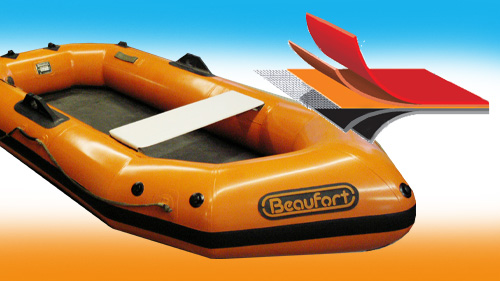
For inflatable boats and RIBs in particular, flexibility is essential. The materials used – typically PVC or Hypalon – expand and contract, requiring adhesives that move with the surface without cracking or losing adhesion.
Types of Marine Adhesives Explained
Choosing the right adhesive starts with understanding the different types available.
1. One-Part Adhesives
One-part adhesives are ready to use straight from the container, making them ideal for quick repairs and smaller jobs.
Best for:
- Minor repairs
- Emergency fixes
- DIY users
Advantages:
- Easy to apply
- No mixing required
- Convenient for on-the-go repairs
However, they generally offer lower strength compared to two-part systems and may not be suitable for structural or long-term repairs.
2. Two-Part Adhesives
Two-part adhesives consist of a base adhesive and a curing agent (hardener). When mixed, they create a chemical reaction that results in a much stronger bond.
Best for:
- Permanent repairs
- High-stress areas
- Professional applications
Advantages:
- Superior bond strength
- Increased durability
- Greater resistance to heat, fuel, and environmental exposure
For critical repairs such as seams, transoms, or high-pressure areas, two-part adhesives are the industry standard.
3. Contact Adhesives
Contact adhesives are applied to both surfaces and allowed to become tacky before bonding.
Best for:
- Large surface areas
- Fabric bonding
- Inflatable boat repairs
They provide instant bonding on contact, which makes them highly effective for precise applications where repositioning is difficult.
Matching Adhesives to Boat Materials
Not all marine adhesives are universal. The material of your boat plays a major role in determining the correct product.
PVC (Polyvinyl Chloride)
PVC is widely used in inflatable boats due to its affordability and lightweight properties.
Adhesive requirements:
- Fast curing
- Flexible bond
- Strong resistance to water and UV
Using the wrong adhesive on PVC can result in peeling or bond failure, especially under pressure.
Hypalon (CSM)
Hypalon (also known as chlorosulfonated polyethylene) is known for its durability and resistance to UV and chemicals.
Adhesive requirements:
- High-strength bonding
- Chemical resistance
- Long-term durability
Hypalon typically requires specialised adhesives designed specifically for its surface properties.
Key Factors to Consider When Choosing a Marine Adhesive
Selecting the right adhesive is about matching the product to your application.
1. Strength Requirements
Ask yourself: is this a temporary fix or a permanent repair?
- Temporary repairs: One-part adhesive
- Permanent bonding: Two-part adhesive
2. Environmental Exposure
Marine adhesives must withstand:
- Saltwater
- Sunlight (UV exposure)
- Temperature extremes
- Fuel and oil contact
Choosing a product designed for these conditions ensures long-term reliability.
3. Flexibility
Rigid adhesives can crack when used on inflatable surfaces. Always choose a product that maintains flexibility after curing.
4. Application Area
- Small punctures: Simple adhesive solution
- Seams or structural areas: High-strength, two-part adhesive
- Large surfaces: Contact adhesive
Common Mistakes to Avoid
Even the best adhesive can fail if applied incorrectly. Here are some common pitfalls:
- Poor surface preparation: Dirt, grease, or moisture can prevent proper bonding
- Using the wrong adhesive type: Not all adhesives work on all materials
- Skipping curing time: Rushing the process weakens the bond
- Incorrect mixing ratios (for two-part adhesives): This can compromise strength
Proper preparation – cleaning, abrading, and drying the surface – is just as important as choosing the right adhesive.
The Role of Preparation and Application
For optimal results, always follow these steps:
- Clean the surface thoroughly to remove contaminants
- Lightly abrade the area to improve adhesion
- Apply adhesive evenly according to instructions
- Allow proper curing time before use
Taking the time to prepare correctly ensures a stronger, longer-lasting repair.
Why Specialist Marine Adhesives Matter
Marine environments leave no room for compromise. Using specialist adhesives designed for inflatable boats and marine applications ensures:
- Longer-lasting repairs
- Improved safety on the water
- Reduced maintenance costs over time
High-quality marine adhesives are developed with decades of expertise, combining advanced formulations with real-world testing to deliver reliable performance in even the toughest conditions.
Conclusion
Choosing the right marine adhesive is essential for maintaining the performance, safety, and longevity of your boat. From quick fixes to structural repairs, understanding the differences between adhesive types – and matching them to your materials and environment – makes all the difference.
Whether you’re a boat owner, repair specialist, or manufacturer, investing in the correct adhesive solution ensures dependable results that stand up to the demands of marine life.
FAQs
What is the strongest marine adhesive?
Two-part adhesives typically offer the highest strength and durability, making them ideal for permanent repairs.
Can I use normal glue on a boat?
No – standard adhesives are not designed to withstand water, UV exposure, or marine conditions.
How long do marine adhesives last?
When applied correctly, high-quality marine adhesives can last for many years, even in harsh environments.
Do I need different adhesives for PVC and Hypalon?
Yes – each material requires a specific adhesive formulation to ensure proper bonding.
Recent Comments